
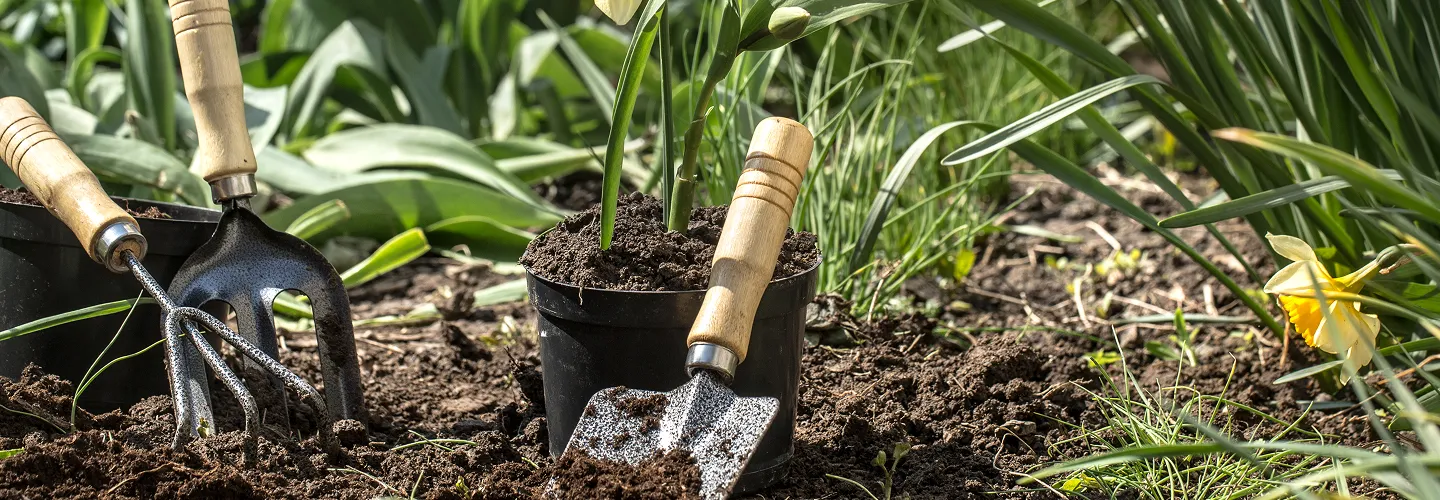
Connerton Flower Planting Services
Choose Connerton for vibrant, expertly arranged flower beds that boost curb appeal and bring lasting beauty to your outdoor spaces—crafted with care by our experienced team.
Get a Free QuoteOur Connerton Landscaping & Yard Care Services
When to Schedule Flower Planting in Connerton, Florida – Seasonal Guide
In Connerton, Florida, timing your flower planting is crucial for vibrant, long-lasting blooms. The region’s subtropical climate means mild winters and hot, humid summers, so the best planting windows are typically late winter through early spring and again in early fall. Planting during these periods allows flowers to establish strong roots before the peak summer heat or occasional winter chills. Neighborhoods like Connerton Village and areas near the Connerton Trail benefit from slightly varied microclimates, with shaded lots and proximity to water features influencing planting success.
Local environmental factors play a significant role in determining the optimal planting schedule. For example, the last frost date in Connerton usually falls in early February, making late February to March ideal for most annuals and perennials. Soil in the area tends to be sandy with moderate drainage, so amending with organic matter is often recommended. Homeowners should also consider the risk of drought during late spring and summer, as well as the impact of shade from mature oaks and pines common in the region. For more detailed local guidelines, consult resources like the Sudbury town website.
Local Factors to Consider for Flower Planting in Connerton
- Tree density and shade coverage, especially in neighborhoods like Connerton Village
- Soil type and drainage, with sandy soils requiring amendments
- Average precipitation and risk of drought during late spring and summer
- Frost dates, typically ending in early February
- Terrain variations, such as low-lying or elevated lots
- Municipal restrictions or HOA guidelines on landscaping
Benefits of Flower Planting in Connerton
Expert Landscaping Services
Customized Flower Selections
Enhanced Curb Appeal
Seasonal Planting Expertise
Eco-Friendly Practices
Reliable Maintenance Support
Connerton Flower Planting Types

Perennial Flower Beds
-
Annual Flower Displays
-
Native Wildflower Gardens
-
Seasonal Bulb Plantings
-
Pollinator-Friendly Plantings
-
Shade Garden Flowers
-
Container Flower Arrangements
Our Flower Planting Process
Site Evaluation
Soil Preparation
Plant Selection
Careful Planting
Watering and Mulching
Why Choose Connerton Landscape Services
-
Connerton Homeowners Trust Us
-
Expert Lawn Maintenance
-
Reliable Scheduling
-
Competitive Pricing
-
Professional Team
-
Satisfaction Guarantee
-
Personalized Service
Coordinating Flower Planting with Connerton’s Parks and Community Standards
Flower planting in Connerton, FL, is closely tied to the oversight of the Connerton East Community Development District (CDD), which manages public landscapes, parks, and common areas. Residents and property managers planning to install or update flower beds in shared spaces or along community frontages should coordinate with the CDD to ensure plantings align with established landscape standards and do not interfere with stormwater infrastructure or public amenities. The CDD may require review of proposed plantings in medians, parkways, or near lakes and trails to maintain visual consistency and protect drainage features. For private property, adherence to neighborhood guidelines is essential, especially in areas governed by homeowners’ associations. When planning a project, verify whether your site falls within CDD-managed land or HOA jurisdiction, and submit any required landscape plans for review before installation.
Connerton East CDD Community Standards
Online Resource
Official Website: Connerton East CDD Community Standards
How Connerton’s Inland Florida Conditions Shape Flower Planting Choices
Connerton is situated in Central Florida’s inland peninsula, where environmental factors significantly influence flower planting outcomes. The region experiences high summer heat and humidity, with frequent afternoon thunderstorms during the wet season from June through September. Soils are typically sandy or fill-based, leading to rapid drainage and increased irrigation needs for shallow-rooted annuals and perennials. The USDA Plant Hardiness Zone for Connerton is 9b, supporting a wide range of subtropical and warm-temperate species, but occasional winter cold snaps can damage tender plants. Key local conditions include:
- Sandy soils that require organic amendment for moisture retention
- High rainfall in summer, increasing runoff risk into swales, lakes, and storm drains
- Intense sun exposure, especially in newer subdivisions with limited mature tree canopy
Selecting regionally adapted, drought-tolerant, and heat-resilient flowers is critical for sustainable planting. Consult the USDA Plant Hardiness Zone Map and UF/IFAS Gardening Solutions for species recommendations.
Regulatory Requirements and Environmental Compliance for Flower Planting in Connerton
Flower planting projects in Connerton must comply with both local and state regulations to protect water quality and community infrastructure. While most residential flower beds do not require formal permits, installations in public-facing areas, near stormwater features, or within CDD-managed land may be subject to review. The Florida-Friendly Fertilizer Use Ordinance restricts fertilizer application near water bodies and during the rainy season to prevent nutrient runoff. Additionally, the Florida DEP NPDES Stormwater Program provides guidance on minimizing runoff from landscaped areas. When using pesticides or herbicides, applicators must follow FDACS licensing requirements for regulated products. Always verify current requirements with the appropriate permitting office, especially for projects near lakes, swales, or public rights-of-way.
Pasco County FL Planning & Development
Online Resource
Official Website: Pasco County FL Planning & Development
Professional Flower Planting Methods and Seasonal Timing in Connerton’s Climate
Successful flower planting in Connerton depends on adapting methods to the region’s climate and soil profile. Professional standards emphasize:
- Planting annuals and perennials in late winter or early spring, before peak summer heat
- Amending sandy soils with compost to improve water retention and root development
- Installing mulch at a depth of 2-3 inches to moderate soil temperature and reduce evaporation
- Grouping plants by water needs (hydrozoning) to maximize irrigation efficiency
- Avoiding planting in low-lying areas prone to flooding during the wet season
Irrigation should be scheduled for early morning to reduce fungal risk and water loss. For guidance on efficient irrigation, refer to EPA WaterSense Outdoors. Regular monitoring for pests and diseases is essential, with preference for integrated pest management strategies. Mulch and plant debris should be kept clear of storm drains and swales to prevent blockages and protect water quality.
Connerton East CDD Parks & Recreation
Online Resource
Official Website: Connerton East CDD Parks & Recreation
What Neighborhoods Do We Serve Throughout Connerton, FL?
- Connerton Village: Features newer homes with fill-based soils and high sun exposure, requiring careful plant selection for heat and drainage.
- Garden Party District: Known for its proximity to lakes and trails, where flower beds must be managed to prevent runoff into water features.
- Arbor Woods: Offers mature tree canopy and partial shade, supporting a broader palette of shade-tolerant flowering species.
- Rose Pointe: Characterized by larger lots and HOA oversight, with emphasis on coordinated landscape appearance and irrigation efficiency.
- Nature’s Ridge: Adjacent to preserved wetlands, where plantings must respect buffer zones and avoid invasive species.
- Sunset Lakes Area: Includes waterfront properties with high water tables, requiring raised beds and careful drainage planning.
- Main Street Corridor: Public-facing landscapes and medians managed by the CDD, where flower planting must align with community standards and infrastructure protection.