
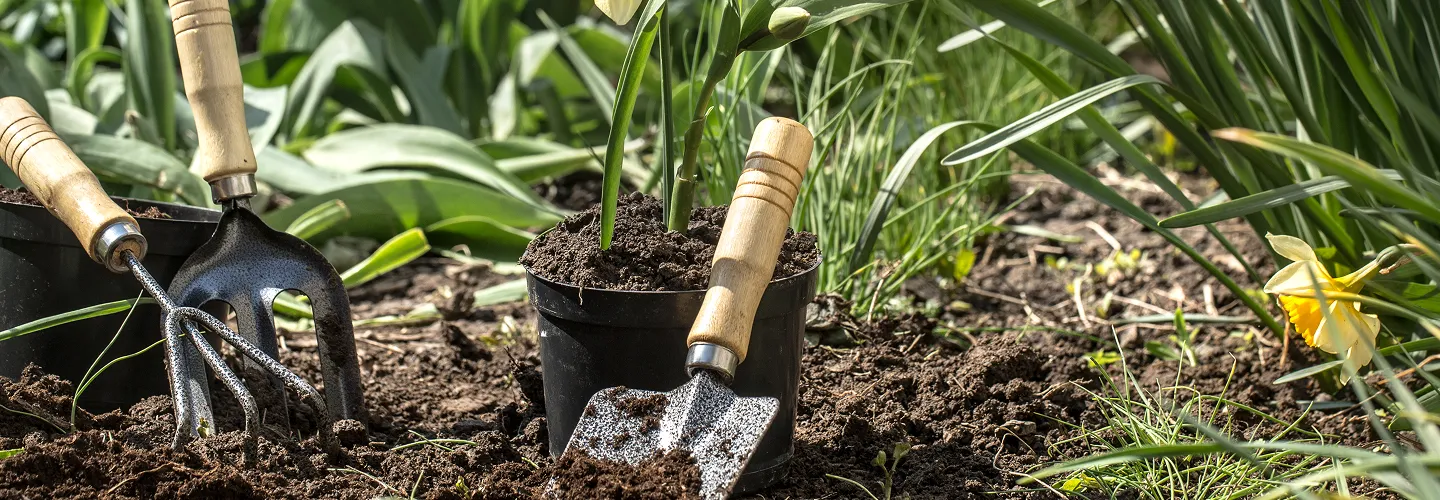
Connerton Flower Bed Maintenance Services
Choose our Flower Bed Maintenance for expert care, healthy blooms, and a beautiful landscape that enhances your home's curb appeal—let us handle the hard work so you can enjoy a thriving, colorful garden without the hassle.
Get a Free QuoteOur Connerton Landscaping & Yard Care Services
When to Schedule Flower Bed Maintenance in Connerton, Florida – Seasonal Guide
In Connerton, Florida, the timing of flower bed maintenance is closely tied to our unique subtropical climate and the specific needs of local landscapes. With mild winters and long, humid summers, the best periods for comprehensive flower bed care are typically late winter through early spring and again in early fall. These windows allow for optimal plant health, as soil temperatures begin to rise and the risk of frost—usually past mid-February in neighborhoods like Connerton Village and near Connerton Elementary—has subsided. Early spring is ideal for mulching, pruning, and planting, while fall is perfect for refreshing beds and preparing for the cooler months.
Local environmental factors play a significant role in determining the right maintenance schedule. For example, areas near the Connerton Trail or those with dense shade from mature oaks may require more frequent attention due to increased leaf litter and moisture retention. Soil composition in Connerton often ranges from sandy to loamy, impacting drainage and nutrient needs. Additionally, periods of drought risk and high humidity can influence both plant selection and maintenance frequency. For more information on local environmental guidelines, visit the Sudbury municipal resource.
Local Factors to Consider for Flower Bed Maintenance in Connerton
- Tree density and shade coverage, especially in established neighborhoods
- Soil type (sandy vs. loamy) and drainage characteristics
- Seasonal precipitation patterns and drought risk
- Proximity to landmarks like Connerton Trail or community parks
- Municipal restrictions or watering schedules
- Terrain variations, such as sloped yards or low-lying areas
Benefits of Flower Bed Maintenance in Connerton
Enhanced Curb Appeal
Weed and Pest Prevention
Healthier Plant Growth
Seasonal Color Variety
Professional Landscape Expertise
Increased Property Value
Connerton Flower Bed Maintenance Types

Seasonal Flower Planting
-
Weed Control Services
-
Mulching and Soil Conditioning
-
Pruning and Deadheading
-
Fertilization Programs
-
Pest and Disease Management
-
Edging and Bed Redefining
Our Flower Bed Maintenance Process
Site Evaluation
Weed Removal
Soil Preparation
Plant Care
Mulching
Why Choose Connerton Landscape Services
-
Connerton Homeowners Trust Us
-
Expert Lawn Maintenance
-
Reliable Scheduling
-
Competitive Pricing
-
Professional Team
-
Satisfaction Guarantee
-
Personalized Service
Coordinating Flower Bed Maintenance with Connerton’s Community Standards and Public Infrastructure
Flower bed maintenance in Connerton, FL, is closely tied to the operational standards set by the Community Development District (CDD) and local public infrastructure management. Residents and property managers must ensure that routine activities such as mulching, seasonal replanting, and debris removal do not obstruct stormwater inlets or encroach on public rights-of-way. The CDD oversees landscaping in common areas, including parks, medians, and stormwater retention zones, and may set specific requirements for plant selection, mulch depth, and maintenance intervals. For any work adjacent to public spaces or involving significant landscape changes, coordination with the CDD is recommended to avoid conflicts with irrigation systems, drainage swales, or community appearance standards. Routine maintenance should also include proper disposal of plant debris to prevent clogging of storm drains and to maintain neighborhood aesthetics.
Connerton East CDD Community Standards
Online Resource
Official Website: Connerton East CDD Community Standards(https://www.connertoneastcdd.org/)
How Connerton’s Central Florida Conditions Shape Flower Bed Maintenance
Connerton is situated in the Central Florida / Inland Peninsula region, which presents unique environmental factors for flower bed maintenance. The area experiences high summer heat and humidity, with frequent afternoon thunderstorms during the wet season from June through September. Soils are typically sandy or fill-based, leading to rapid drainage and increased nutrient leaching, which can affect plant health and fertilizer efficiency. Additionally, the high water table and proximity to stormwater retention ponds require careful management of irrigation to avoid runoff and protect water quality. Residents should consider these local conditions when selecting plant species, scheduling irrigation, and applying mulch to retain soil moisture and moderate surface temperatures. Key considerations include:
- Selecting heat- and humidity-tolerant annuals and perennials
- Using mulch to reduce evaporation and suppress weeds
- Adjusting irrigation to account for rapid drainage and rainfall variability
Regulatory Requirements and Environmental Compliance for Flower Bed Maintenance in Connerton
Flower bed maintenance in Connerton is subject to both local and state regulations designed to protect water quality and community standards. The Florida-Friendly Fertilizer Use Model Ordinance restricts fertilizer application near storm drains, swales, and water bodies, and may require blackout periods during the wet season. Pesticide use must comply with FDACS licensing requirements, and only certified applicators may apply restricted-use products. The Florida DEP NPDES Stormwater Program also mandates that landscape maintenance activities prevent sediment, mulch, and plant debris from entering stormwater systems. Residents should verify any permit or review requirements for major landscape modifications with the county’s planning and development office.
Pasco County FL Planning & Development
Online Resource
Official Website: Pasco County FL Planning & Development(https://www.pascocountyfl.gov/services/planning_and_development/index.php)
Professional Methods and Seasonal Timing for Flower Bed Maintenance in Connerton
Effective flower bed maintenance in Connerton requires adapting methods and timing to the region’s climate and site conditions. Professional standards emphasize the following:
- Inspecting and adjusting irrigation emitters regularly to ensure efficient water delivery and prevent runoff
- Applying mulch at a depth of 2-3 inches to conserve moisture, suppress weeds, and protect roots from temperature extremes
- Scheduling deadheading, pruning, and seasonal replanting during cooler morning hours or outside peak summer heat
- Removing plant debris promptly to prevent fungal issues and maintain stormwater flow
- Avoiding fertilizer and pesticide applications before heavy rain events to reduce runoff risk For additional guidance on irrigation efficiency, the EPA WaterSense Outdoors program provides regionally appropriate recommendations.
Pasco County FL Parks, Recreation & Natural Resources
Online Resource
Official Website: Pasco County FL Parks, Recreation & Natural Resources(https://www.pascocountyfl.gov/services/parks_recreation_and_natural_resources/index.php)
What Neighborhoods Do We Serve Throughout Connerton, FL?
- Connerton Village
This area features newer subdivision lots with fill-based soils and extensive irrigation systems, requiring careful mulch management and runoff control. - Garden Party District
Known for its mature landscaping and shaded lots, this district benefits from regular deadheading and fungal monitoring due to higher humidity under tree canopies. - Arbor Square
With proximity to stormwater ponds and greenways, flower beds here must be maintained to prevent mulch and debris from entering water features. - Rose Cottage Enclave
Smaller lots and HOA landscaping standards in this enclave necessitate precise bed edging and adherence to community appearance guidelines. - Lakeside Commons
Adjacent to retention lakes, this neighborhood requires special attention to fertilizer and pesticide application to protect water quality. - Wildflower Preserve
This area’s open spaces and native plantings call for selective weeding and mulch replenishment to support pollinator habitats and reduce invasive species pressure.